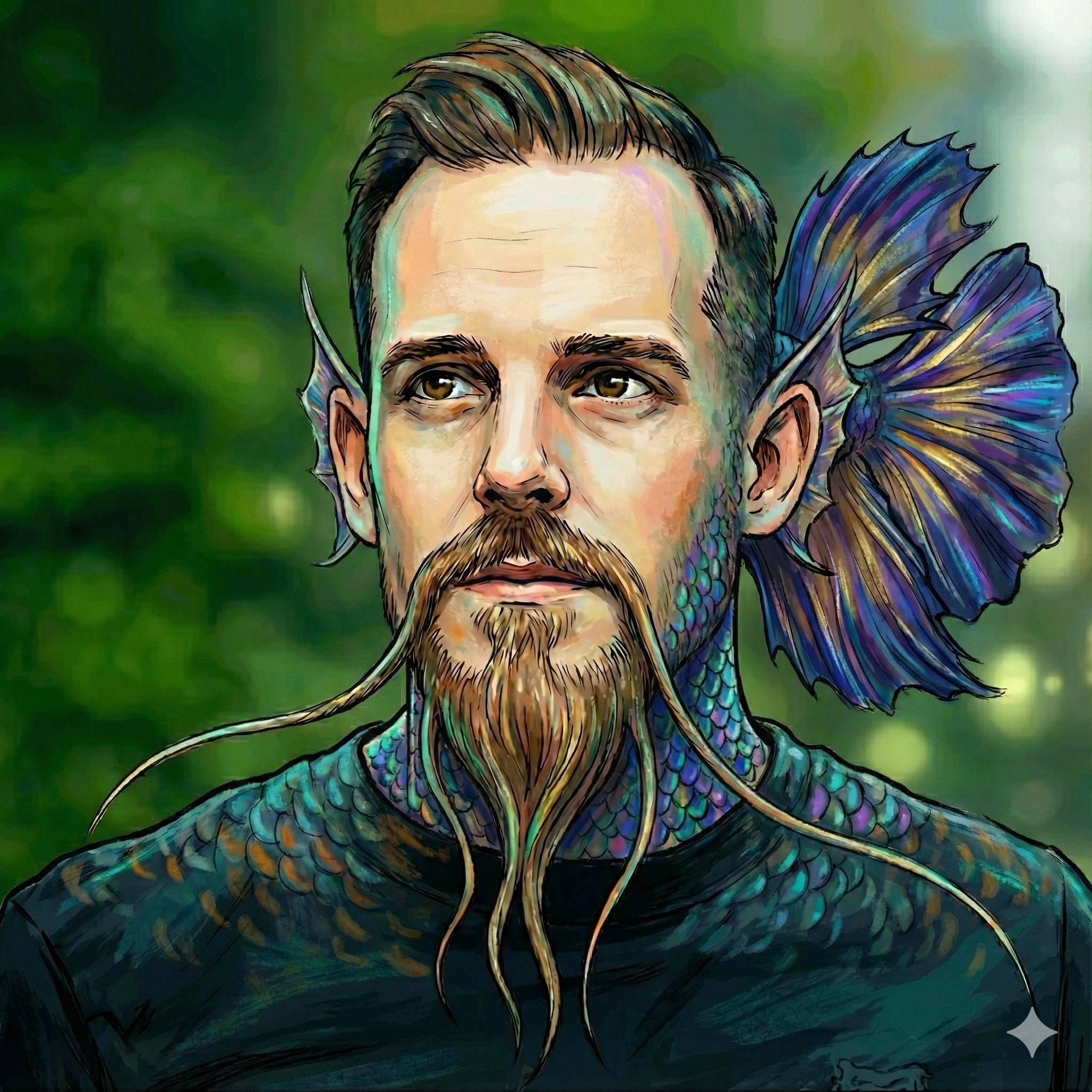

Luke Darlow
I am an Artificial Intelligence Research Scientist at Ndea, where I work on AGI through deep learning-guided program synthesis. My current research explores how neural systems can acquire abstractions, construct programs, and reason from minimal data by blending intuitive pattern recognition with formal reasoning. Before Ndea, I was at Sakana AI in Tokyo, where I created the Continuous Thought Machine and Digital Ecosystems. Originally from South Africa, I have spent most of my life learning and researching, from biometrics and representation learning to biologically-inspired neural architectures and artificial life.
Featured Research
Continuous Thought Machines
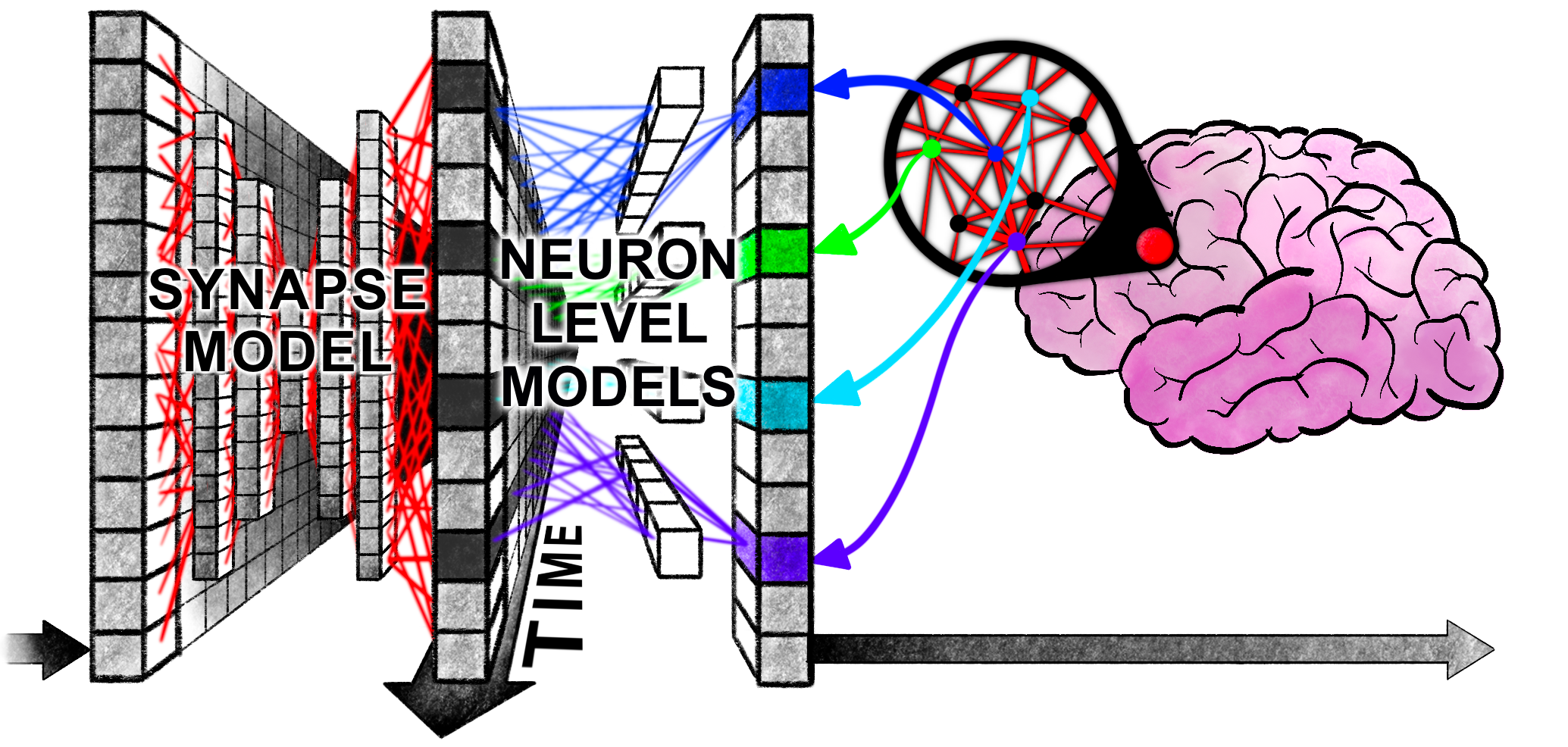
The Continuous Thought Machine (CTM) is a novel neural network architecture designed to explicitly incorporate neural timing, the consequential dynamics, and overall neural synchronization as foundational modelling elements. By moving beyond static neuron abstractions while remaining in the gamut of tractable deep learning implementations, the CTM can perform tasks requiring complex sequential reasoning and adaptive computation, where it can "think" longer for more challenging problems. This architecture is built on two core innovations:
- Neuron-Level Temporal Processing: Each neuron uses its own unique weight parameters to process a history of incoming signals, allowing for the emergence of complex, dynamic neural activity.
- Neural Synchronization as a Latent Representation: The model uses the synchronization of neural activity over time as the direct representation for observing the world and producing outputs, a biologically-inspired design choice that enables a new depth of computational capacity.
This work represents a significant step toward more biologically plausible and powerful AI systems.
I discussed the CTM on Machine Learning Street Talk!
Presented as a spotlight talk at NeurIPS 2025.
Digital Ecosystems
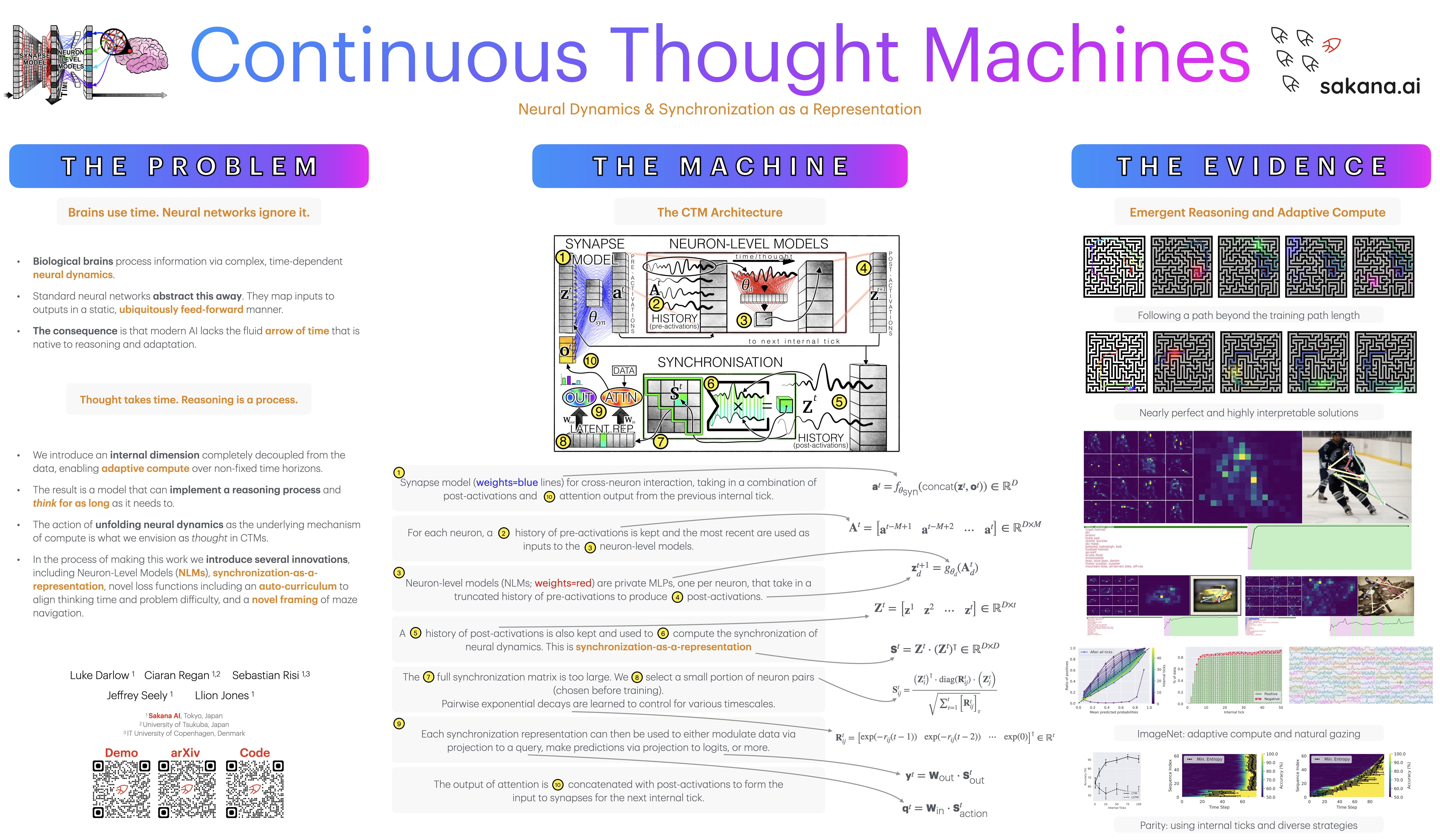
Five neural species competing on a shared grid. Each colour is an independently learning cellular automaton.
Digital Ecosystems explores what happens when multiple neural cellular automata species are placed on a shared grid and forced to compete for space. Built on the multi-agent neural cellular automata (NCA) framework, these digital species learn via online gradient descent, evolving attack strategies, forming defensive territories, and even cooperating with allies as they push each other toward the edge of chaos.
The interactive article lets you seed species, branch checkpoints, tweak parameters, and watch digital ecosystems emerge in real time directly in the browser. This work was accepted to ALife 2026.
Digital Ecosystems was featured on Two Minute Papers!
Other Research Themes
Program Synthesis for AGI
At Ndea, I work with François Chollet and Mike Knoop on deep learning-guided program synthesis for AGI. This research blends neural pattern recognition with symbolic search and formal reasoning, aiming for systems that can acquire abstractions and reusable skills from minimal examples.
Foundational Models for Time Series Forecasting
During my time at the Systems Infrastructure Lab of Huawei, I designed and developed a foundational forecasting model, DAM, which was the first of its kind to be presented at a high-level conference (ICLR 2024). I supervised interns as they researched complex topics, including understanding common oversights regarding linear forecasting models, which was presented at ICML 2024. I also created FoldFormer, a highly efficient transformer model currently deployed in Huawei's cloud infrastructure for forecasting resource demand.
PhD Research
My PhD thesis at the University of Edinburgh, titled "Learning reliable representations when proxy objectives fail," investigated why deep neural networks often learn unreliable or non-robust solutions. This happens when a model trained on a substitute (proxy) task learns 'shortcuts' based on easy-to-compute features (e.g., background color) instead of the complex features (e.g., object shape) needed for true generalization. I distilled this core problem into a talk, 'The Tale of the Lazy Learning Machine,' for the University of Edinburgh's Three Minute Thesis (3MT) competition, where I competed at the university-wide level.
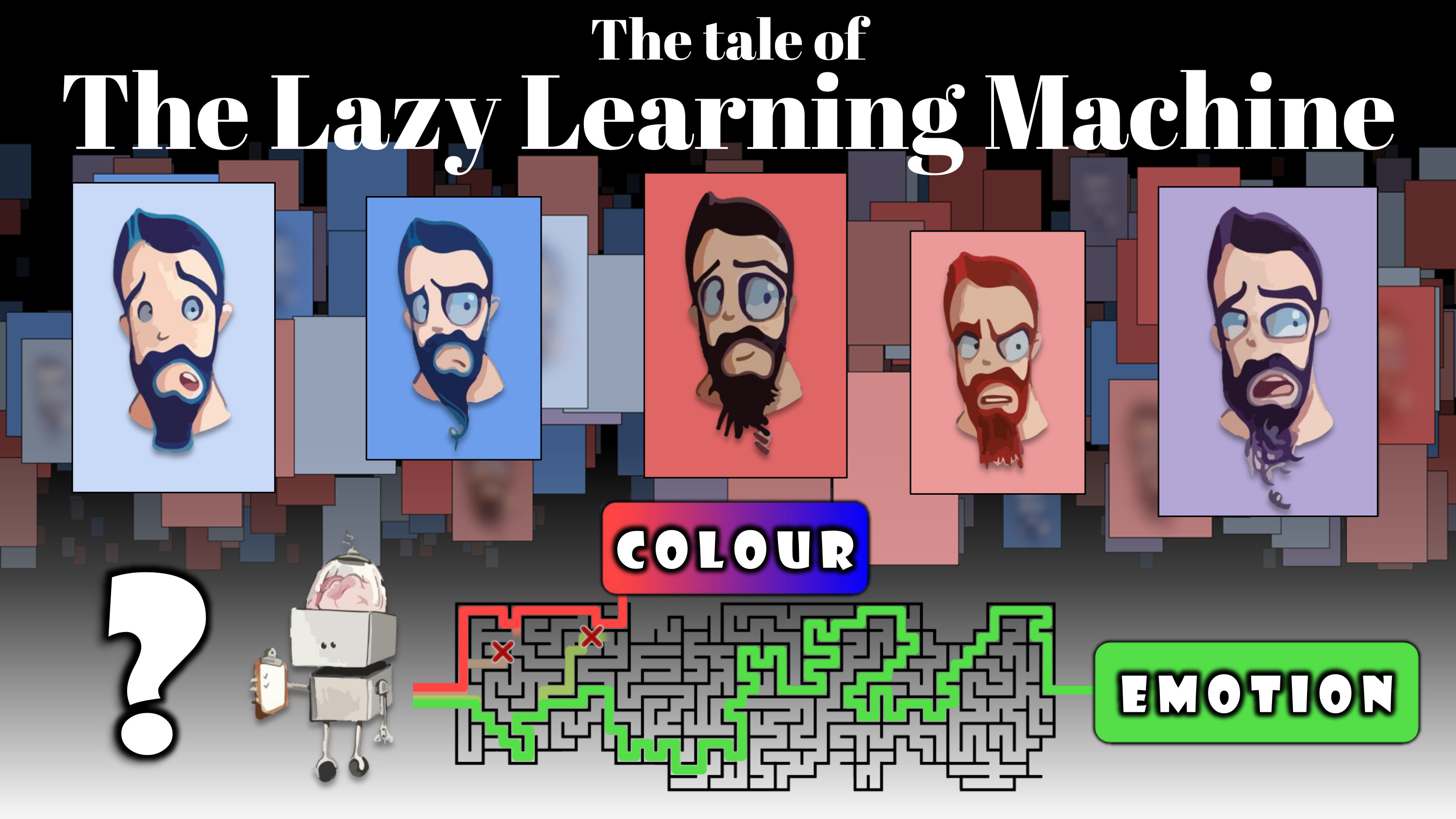
My thesis introduced three novel methods to mitigate this problem:
- Deep Decision Tree Layer (DDTL): A method for semantic hashing that prevents over-compression by composing hash codes from both supervised (class-based) and unsupervised (contrastive) parts, ensuring an efficient and well-distributed use of the available hash space.
- Deep Hierarchical Object Grouping (DHOG): An approach that improves deep clustering by forcing a network to find a diverse hierarchy of solutions, preventing it from settling on a single, simple grouping based on trivial features.
- Latent Adversarial Debiasing (LAD): A technique that removes spurious correlations from training data. It uses a VQ-VAE to access the data manifold and performs an adversarial walk in the latent space to generate new, de-biased training images.
During my PhD, I also developed GINN (Geometric Illustration of Neural Networks), an interactive tool to build intuition for how neural networks function.
Biometrics & Subsurface Fingerprint Analysis
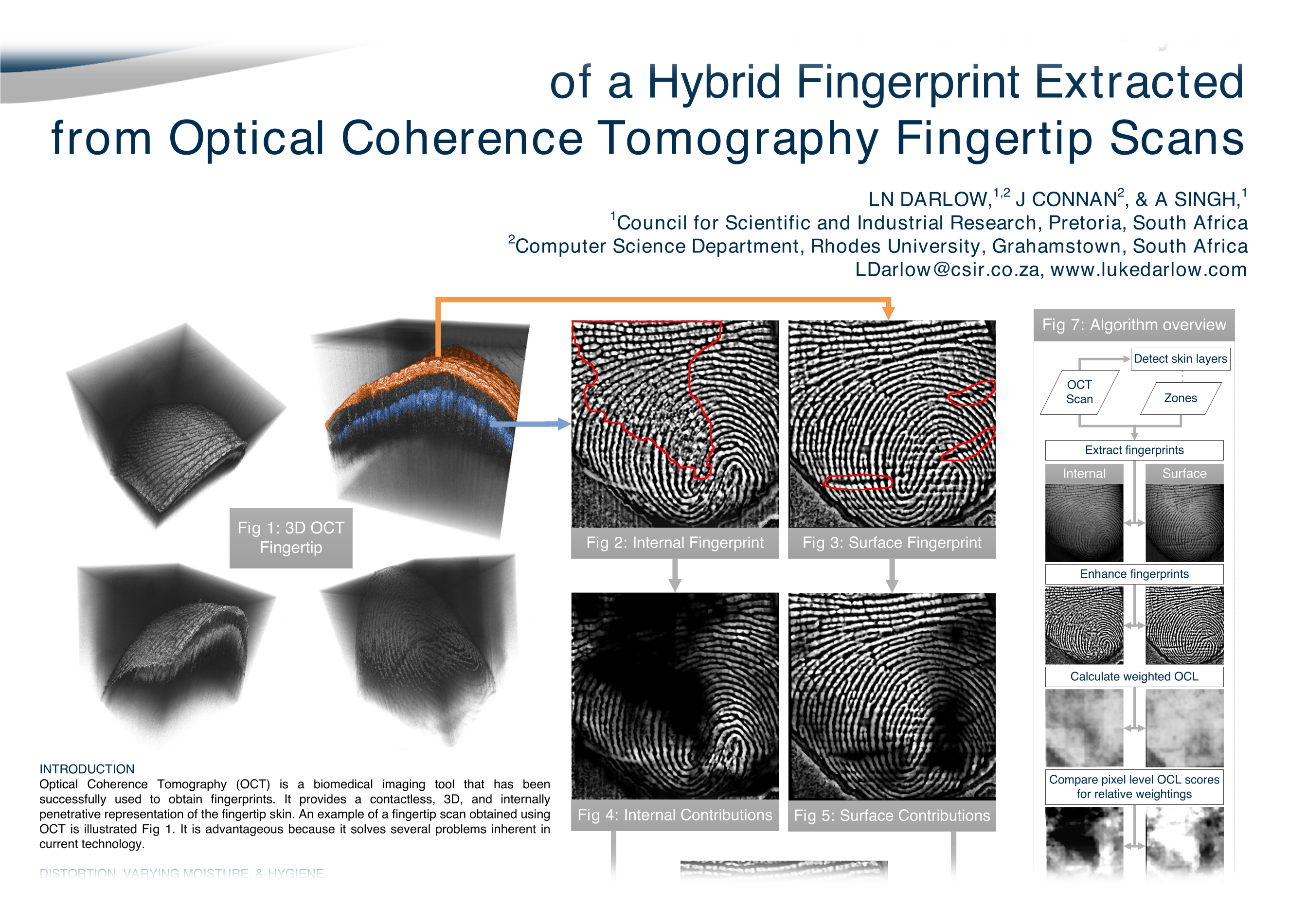
My early research at CSIR in South Africa involved pioneering work in biometrics. I designed computer vision models to extract features from fingerprints and developed novel algorithms to extract usable subsurface fingerprints from 3D Optical Coherence Tomography (OCT) scans in real-time. This work led to 10 publications in the span two years, tangible physical and digital outputs that were presented to high-level dignitaries including the the minister of science and technology of South Africa, and several awards, including a 'best poster award' (shown below) at the top biometrics conference, ICB, in 2016.
A complete list of my publications can be found on my Google Scholar profile.
Contact
I am always open to discussing new ideas, collaborations, or interesting opportunities. Please feel free to reach out on X or LinkedIn.